- The order of these steps are in no particular order -
Step 1. Find new favourite places where you enjoy spending time, such as coffee shops, bars, restaurants, parks. A fun and potentially useful thing to do is trying to become a regular in a nearby coffee shop or bar. ( It doesn't have to be close to where you live, but that definitely helps). When you keep returning to the same place, you start noticing the people around you, the patterns of how the place functions. Eventually, they start noticing you too.
One of the best feelings is when someone working there acknowledges you or even remembers your usual order. You don't even have to talk much, but you begin to feel accepted and connected to the place. You don't need to be very extroverted either. Once other regulars start recognizing you, it's often easier to start a conversation.
Step 2. To feel comfortable and safe, learn about the area around your new home. Find the closest shops, including that tiny convenience store you can run to in your pajamas for milk or visit in the evening to grab some snacks. Discover nearby cafes where you can get a croissant in the morning, a park where you can relax on a sunny day, and routes for walks around your neighborhood. Whenever I get to know my block and the surrounding area, I always feel more confident and settled. Useful note - find hospitals. You never know. 🙂
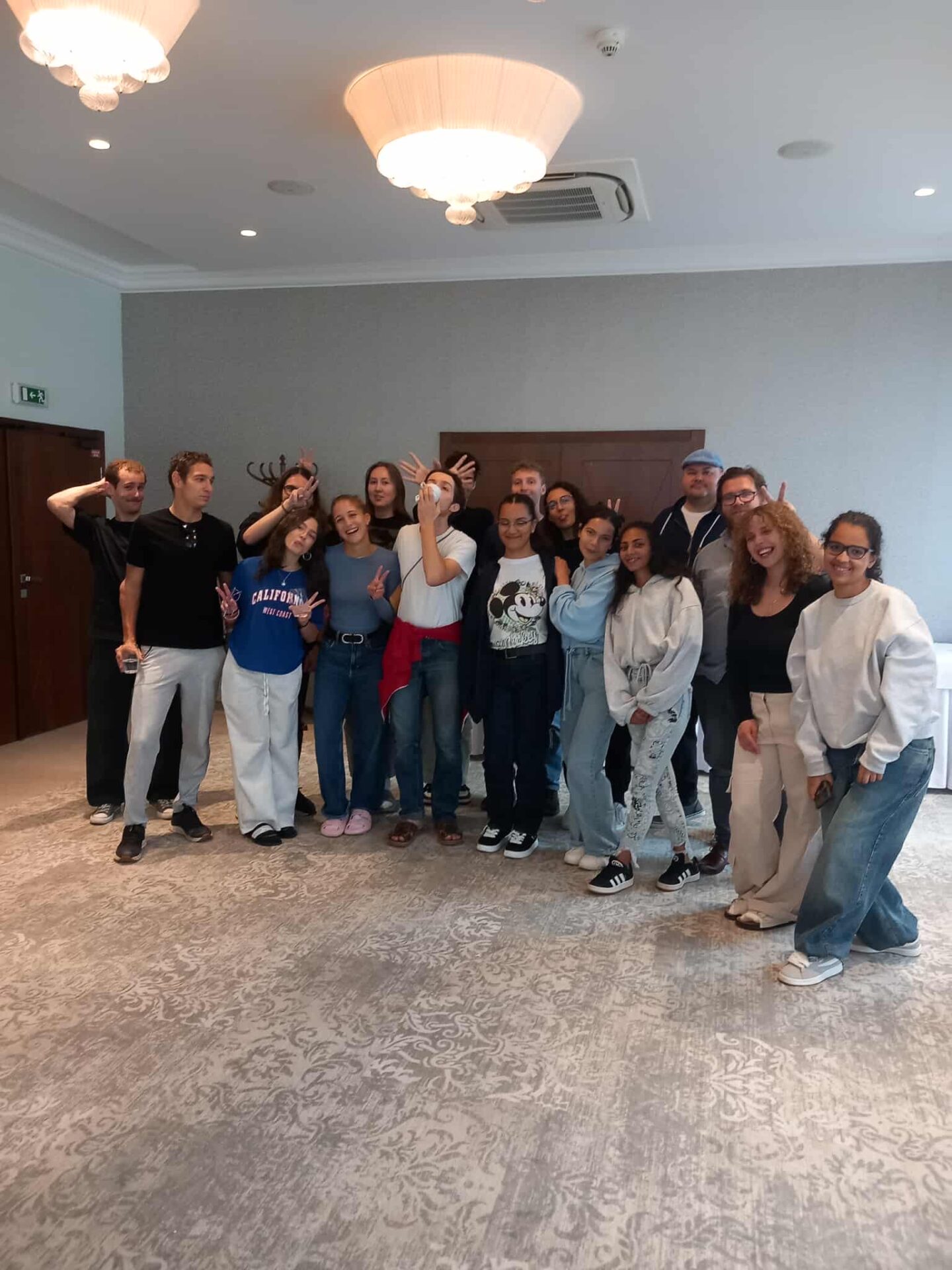
Step 3. Find like minded people. The ESC programme provides a great starting point for meeting people. You are given a mentor, you meet other volunteers, and you become part of an organisation where you work. This means you're never truly starting from zero in a new country. It's often easier to connect with other volunteers because you already share a similar experience. You can also ask local colleagues about their favourite places, recommendations, and hidden gems, helping you avoid touristy and overpriced areas.
Step 4: Language. Learn some basic phrases in the local language. People often say that a simple "thank you" goes a long way, and it's true. It also helps you feel more confident in everyday situations. One of the advantages of the ESC programme is the opportunity to take language courses. These classes can help you learn grammar and practise pronunciation with a trained professional instead of relying entirely on Google Translate's robot voice—although that's a perfectly good place to start. I may not speak fluently, but understanding even part of a conversation makes a huge difference. I don't understand every
word, but with context, I can usually get by.
Step 5: Search for events. Find events that match the interests you had back home. This could include exhibitions, theatre performances, concerts, workshops, sports activities, or community gatherings. Attending events is a great way to discover new spaces, learn more about local culture, and meet new people who share your interests.
Text: Luiza Helēna Frančenko
Fotka: Cirkuskus
Luiza je dobrovoľníčkou programu Európskej komisie Európsky zbor solidarity na dobrovoľníckom projekte v organizácii Cirkuskus. Projekt bol podporený Európskou komisiou z programu Európsky zbor solidarity.