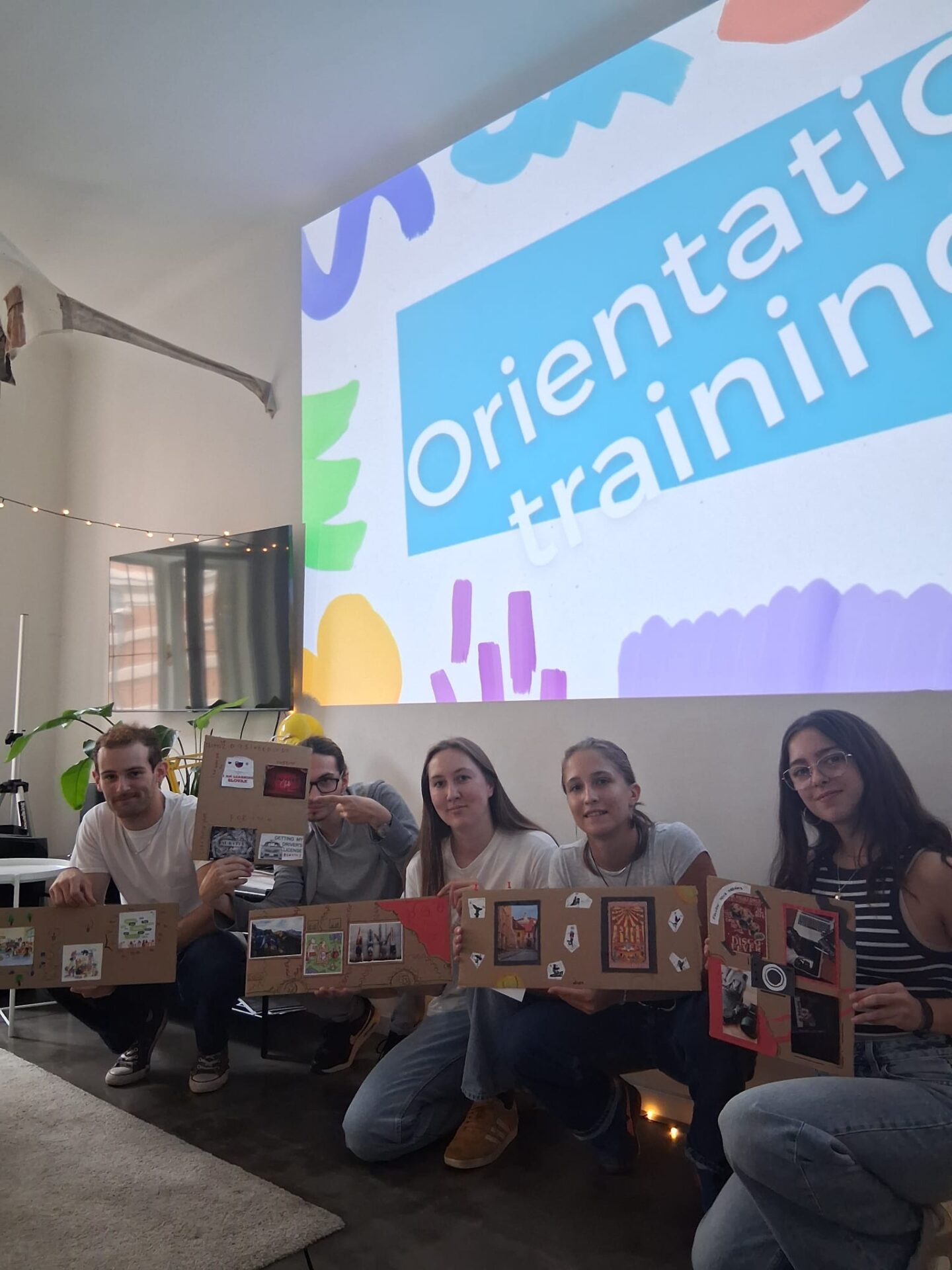
Volunteering is a great way to travel, experience different cultures and cities, and meet a wide range of new people. Yet it also means leaving behind friends, family, and even our beloved pets. So the question remains: is the grass really greener somewhere else? It’s a question that lingers in the mind of every eager traveler setting out to explore the world.
For many people, the first few weeks, or even the first month, are crucial for adjusting to a new environment. It’s a time to become familiar with your surroundings: discovering the nearest shop you can rely on at any hour, finding a café that serves the perfect croissant and cappuccino, or becoming a regular at a nearby pub. Perhaps most importantly, it’s about building new connections, meeting people you can talk to, share experiences with, and rely on emotionally.
In some ways, adapting to a new place has become easier thanks to our mobile devices. We are constantly connected to friends and family back home, able to share updates instantly or see what others are doing through social media. However, this constant connection can also amplify the fear of missing out. Especially in the early stages, when you haven’t fully settled in and your social circle is still small. Watching friends enjoy life back home without you can feel isolating.
For me, the first few months were full of excitement, new friendships, new places, new experiences. In fact, one of my biggest challenges in Bratislava was simply finding a good café. Otherwise, everything felt great.
The real difficulties came later, once the initial excitement faded. That’s when I began to notice what I was missing: small comforts like my favorite brand of crisps, traditional sweets, and even the familiarity of home. I also found myself becoming more invested in politics and everyday life back home.
The adaptation process is personal and varies from one individual to another. Some people may spend just two weeks abroad and feel ready to return home, while others adjust more gradually. It’s not only about missing people, it’s also about cultural acceptance, ways of thinking, and a sense of belonging to a place. Often, we don’t realize what we truly value until it’s no longer part of our daily lives. I
n the end, experiences like this offer a valuable perspective. They allow us to step back and recognize that the grass we stand on might not be so bad after all.
Text: Luiza Helēna Frančenko
Fotka: Bratislavské dobrovoľnícke centrum
Luiza je dobrovoľníčkou programu Európskej komisie Európsky zbor solidarity na dobrovoľníckom projekte v organizácii Cirkuskus. Projekt bol podporený Európskou komisiou z programu Európsky zbor solidarity.